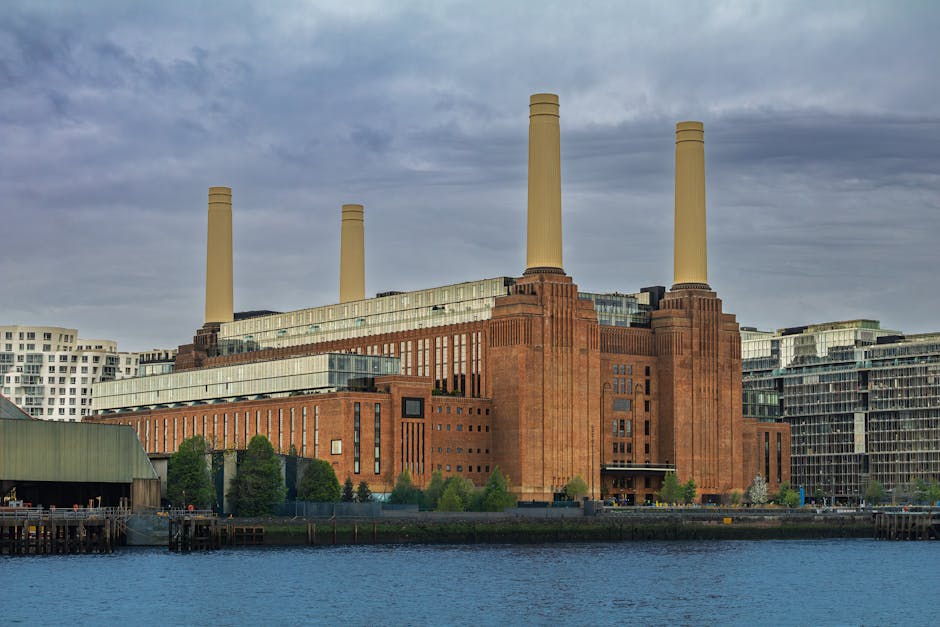
Battersea carpet cleaning near Battersea Power Station: a practical local guide
If you live, work, or manage a property close to the iconic riverside redevelopment, Battersea carpet cleaning near Battersea Power Station can be the difference between a tired-looking room and one that feels properly looked after. The area sees a mix of new apartments, period conversions, serviced spaces, offices, and busy visitor-heavy properties, so carpet care is rarely a one-size-fits-all job. Spilled coffee, tracked-in grit, pet accidents, and daily foot traffic all build up quietly. Then one day you notice the carpet looks flat, smells a bit "lived in", and the fibres have lost their bounce. That's usually the moment people start searching.
This guide explains what local carpet cleaning involves, how the process works, what methods are worth considering, and how to choose services sensibly. You'll also find a checklist, a comparison table, and a few human, real-world pointers that help you avoid the usual mistakes. If you want a broader overview of professional floor care, the main carpet cleaning service page is a useful place to start.
Quick take: the best results usually come from matching the cleaning method to the carpet fibre, stain type, drying time you can live with, and the practical realities of the property. Sounds simple. In reality, the details matter a lot.
Why Battersea carpet cleaning near Battersea Power Station Matters
Carpets do more than soften a room. They absorb the everyday story of a property: muddy shoes after a wet commute, crumbs from a late lunch, the faint smell of a takeaway, pet hair in the corners, and dust that settles whether you notice it or not. In a busy Battersea setting, that story builds quickly. Properties near Battersea Power Station often see a lot of movement, which means carpets can look worn before they are actually worn out.
Why does that matter? Because appearance is only the obvious part. Embedded dirt can make carpets feel rough underfoot, hold on to odours, and shorten the useful life of the pile. For rental homes, managed apartments, and commercial spaces, that can affect how people experience the property from the moment they walk in. Let's face it, nobody wants guests or tenants stepping onto a carpet that feels sticky, patchy, or stale.
There's also the local practical angle. Battersea properties often have a mix of carpet types: wool blends, synthetic fibres, fitted stair runners, and rugs layered over hard floors. Each reacts differently to moisture, heat, and cleaning chemicals. A careful approach matters more than a quick blast of detergent. One size really does not fit all here.
For homes where carpets are part of a broader soft-furnishing set-up, it can make sense to combine floor care with upholstery cleaning or rug cleaning, especially if you want the whole room to feel refreshed rather than just the floor.
How Battersea carpet cleaning near Battersea Power Station Works
Professional carpet cleaning usually starts with inspection. That sounds basic, but it's the part that saves mistakes. A good cleaner will look at fibre type, pile height, visible staining, wear patterns, previous cleaning residue, and any areas where over-wetting could be a problem. If a carpet has wool in it, for example, it needs a different approach from a dense synthetic carpet in a hallway.
Next comes preparation. Loose debris is removed, often by thorough vacuuming, and spots are pre-treated where appropriate. This stage matters because cleaning solution works better when it's not fighting through surface dirt. In many cases, the cleaner will also test an inconspicuous patch first. Sensible, boring, and absolutely the right thing to do.
The actual cleaning method can vary. In many Battersea homes and businesses, steam carpet cleaning is used for deep soil removal and a more thorough finish, though "steam" is a common phrase rather than a literal description. What people often mean is hot water extraction, where heated water and cleaning solution are applied and then extracted with powerful equipment. That helps lift dirt from within the fibres rather than just moving it around.
Some carpets benefit from low-moisture or specialist spot treatment instead. That may be better for delicate fibres, busy commercial areas that need faster drying, or older carpets where excessive water could cause issues. After cleaning, drying and grooming are important. Good airflow, sensible room temperature, and avoiding immediate heavy use all help the carpet settle properly.
If you have a stubborn mark that's been there for ages, targeted stain removal may be needed before the main clean. That's especially true for things like coffee, wine, make-up, or the mysterious dark patch near the sofa that nobody admits to creating.
Key Benefits and Practical Advantages
There's a reason people return to carpet cleaning rather than simply living with the dirt. Several reasons, actually.
- Better appearance: carpets look brighter, less flattened, and more uniform in colour.
- Improved freshness: odours trapped in fibres are reduced, which can make a room feel much cleaner.
- Longer carpet life: removing gritty soil helps reduce abrasion and premature wear.
- Healthier-feeling indoor spaces: although no cleaning service can promise a medical outcome, a cleaner carpet usually means less built-up dust and residue.
- More presentable homes and workplaces: useful for landlords, letting agents, offices, and hospitality-style properties.
- Better results after spills: dealing with marks early usually makes them easier to remove.
There's a subtler benefit too. A properly cleaned carpet changes how a room feels. It's quieter, softer, and somehow more composed. You notice it when you walk in barefoot in the evening and the room doesn't have that faint, dusty heaviness anymore.
For businesses or shared spaces, it can be smart to coordinate carpet care with commercial carpet cleaning if the property has reception areas, corridors, meeting rooms, or stair access that gets a lot of use.
Who This Is For and When It Makes Sense
This service isn't only for people with visibly dirty carpets. In fact, many of the best-timed cleans happen before the carpet looks bad. That's the less dramatic but more effective approach.
You may want Battersea carpet cleaning near Battersea Power Station if you are:
- a homeowner wanting to freshen up a flat or family house
- a tenant preparing to move out, or a landlord preparing for new occupants
- a letting agent or property manager keeping a unit in good shape
- a business owner maintaining client-facing areas
- a pet owner dealing with hair, odour, or the occasional accident
- someone hosting guests, family events, or short-term visitors
It also makes sense after specific situations: a winter of heavy boot traffic, a renovation, a spill that spread deeper than expected, or simply a long gap since the last proper clean. If the carpet still looks acceptable but feels a bit matted, that's often the early warning sign. Don't wait for a full-on disaster; carpets are surprisingly forgiving if you stay ahead of the problem.
For pet-related problems, a focused approach such as pet stain and odour removal may be helpful, especially where smells keep coming back after a quick DIY attempt.
Step-by-Step Guidance
If you're trying to understand what a sensible carpet-cleaning visit should look like, this step-by-step outline will help.
- Assess the carpet. Check fibre type, marks, wear, and any delicate areas like joins or stair edges.
- Choose the right method. Match the process to the carpet and the room's drying-time needs.
- Move small items. Lamps, side tables, toys, and loose clutter should be cleared beforehand where possible.
- Vacuum thoroughly. This is not just a box-ticking exercise; it improves the final clean.
- Pre-treat spots. Stains are usually handled before the main extraction or cleaning pass.
- Clean in sections. Good work is methodical, not rushed.
- Check the result. Look at high-traffic areas, edges, and any known stains under good light.
- Allow proper drying. Open windows if it's practical, and avoid heavy use too soon.
A simple but useful clarification: carpets often dry from the top down, and they can feel dry to the touch before moisture deeper in the pile has fully gone. That's why people sometimes think a carpet is ready, then wonder why it still feels a bit damp an hour later. Give it time. Seriously.
If you are cleaning an entire room set, pairing the carpet clean with sofa cleaning or curtain cleaning can make the whole space look more consistent. Otherwise the carpet looks smart and the soft furnishings still look tired. Bit awkward, that.
Expert Tips for Better Results
Small decisions make a big difference with carpet cleaning. Here are the habits that usually pay off.
- Act quickly on spills. Blot, don't rub. Rubbing pushes the spill deeper and can distort the pile.
- Use the right spot method. A mild approach is often better than an aggressive one, especially on wool or blended fibres.
- Don't over-wet the carpet. More liquid is not automatically better. It can cause slow drying and revive old marks from underneath.
- Keep airflow moving. Open a window if weather allows, or use a fan to improve drying time.
- Protect the cleaned area. Try not to walk across it straight away in outdoor shoes.
- Vacuum after drying. This helps lift the pile and removes any residue that has surfaced.
Another useful tip: if you know a carpet has a recurring problem area, tell the cleaner before they start. The edge of a dining table, a hallway bend, the patch beside a pram parking spot, or that one chair where everyone kicks off their shoes. The weird little hotspots tell the real story.
For delicate or antique pieces, it can be worth considering rug cleaning as a separate service rather than treating them like fitted carpeting. Rugs often need a different handling routine, and they can be far more sensitive than they look.
Common Mistakes to Avoid
The most common carpet-cleaning mistakes are not glamorous, but they do plenty of damage. A lot of them come from impatience, which is understandable. Nobody wants to wait around all day for a carpet to dry.
- Using the wrong cleaner on the wrong fibre. What works on synthetic carpet may harm wool.
- Scrubbing stains aggressively. That can spread the mark and roughen the fibres.
- Ignoring the backing or underlay risk. Too much moisture can cause lingering dampness or odour.
- Cleaning only the visible stain. Spot cleaning without blending the surrounding area often leaves a halo.
- Expecting miracles from a single pass. Some older stains can improve a lot, but not every mark disappears entirely.
- Skipping aftercare. If you walk on a damp carpet all afternoon, you can undo some of the work.
And one more, which sounds small but isn't: not asking about the method in advance. If someone is planning to clean a delicate wool carpet with the same approach they'd use in a pub corridor, that's not ideal. Not even close.
Tools, Resources and Recommendations
You don't need to become a carpet care technician, thankfully. Still, knowing the basic tools helps you ask better questions and spot better workmanship.
Useful equipment and materials often include:
- strong vacuuming equipment for dry soil removal
- pre-spray or spot treatment products suited to the carpet fibre
- extraction equipment for deep cleaning
- microfibre cloths for controlled blotting
- protective shoe covers or sensible access precautions where needed
- air movement or drying support after cleaning
If you're comparing services, look at practical details rather than just wording. For example, does the cleaner explain how they handle delicate fibres? Do they inspect spots before treatment? Are they clear about drying expectations and what you should do after the appointment?
On the broader property-care side, useful supporting services can include mattress cleaning for bedrooms, or upholstery cleaning if sofas and chairs have gathered the same kind of everyday wear. A refreshed carpet beside a tired armchair can look a little strange. Better to treat the room as a whole if budget and timing allow.
You can also use the company's pricing and quotes page to understand how estimates are approached, and the payment and security page if you want reassurance about how transactions are handled. If you care about wider business values, the recycling and sustainability page may also be worth a look.
Law, Compliance, Standards, or Best Practice
Carpet cleaning is a practical service, but it still sits within a wider framework of sensible UK business practice. For household customers, the main things to care about are safety, transparent communication, and clear expectations. For commercial customers, there may also be building access rules, landlord requirements, and internal housekeeping standards to consider.
Best practice usually includes:
- using methods appropriate to the carpet material
- explaining likely drying times honestly
- taking reasonable care around electrical items, furniture, and access routes
- being clear about what is included and what is not
- treating customer property with respect
For peace of mind, it is sensible to check insurance and safety arrangements before booking. The company's insurance and safety page can help with that, and the health and safety policy gives a better sense of how risks are handled in principle.
If anything goes wrong, a clear complaints process matters too. That's just good service, plain and simple. The complaints procedure page exists for exactly that reason, and a provider that explains its approach openly is usually a better bet than one that leaves you guessing.
Options, Methods, or Comparison Table
Different carpet-cleaning methods suit different goals. Here's a simple comparison to make the choice less fuzzy.
| Method | Best for | Strengths | Watch-outs |
|---|---|---|---|
| Hot water extraction / steam carpet cleaning | Deep soil, general refresh, larger fitted carpets | Thorough clean, good for embedded dirt and old buildup | Needs proper drying time; not always ideal for very delicate fibres |
| Low-moisture cleaning | Busy spaces, quicker turnaround needs | Faster drying, less moisture risk | May be less effective on heavy ingrained soil |
| Targeted stain treatment | Single marks or problem spots | Focused, efficient, useful as part of a full clean | Spot-only work may leave the surrounding area looking uneven |
| Rug-specific care | Loose rugs and decorative textiles | More suitable handling for movable items | Requires the right process for the rug's fibre and backing |
In real life, the best answer is often a combination. A hallway may need extraction, a delicate rug may need separate treatment, and a stain by the sofa may need specialist attention before the main clean. That's normal. Not messy, just normal.
Case Study or Real-World Example
Picture a fairly typical Battersea flat near the Power Station area: open-plan living space, light-coloured carpet, a sofa close to the walkway, and a steady stream of shoes coming through after work. At first glance, the carpet still looks fine. But near the entrance, the pile is slightly crushed, and there's a faint darkening where people naturally step every day. Nothing dramatic. Just enough to dull the room.
The first thing a good cleaner would likely do is check the fibre and look for any stained traffic patterns. If there's a coffee mark from a quick Monday morning spill, it would be pre-treated first. The main clean would then focus on lifting general soil from the wider carpet, not just the obvious spot. If the carpet is synthetic, a deeper extraction clean may be suitable. If it's a more delicate wool blend, the approach would need more care and maybe less moisture.
Afterwards, the room doesn't suddenly look brand new in some unrealistic way. But it feels different. The carpet colour is more even, the air seems fresher, and the room has that neat, settled look you notice when you come home in the evening and put the kettle on. A small thing, perhaps. But in a busy home, small things matter.
That same logic applies to commercial spaces too. A reception carpet can make a very strong first impression, especially if visitors arrive with wet shoes or if the space sees everyday footfall. In those cases, timing the clean around business hours and pairing it with commercial carpet cleaning can keep disruption low while still protecting presentation.
Practical Checklist
Use this before you book or before a cleaning appointment begins.
- Check the carpet fibre if you know it, or ask for an inspection first
- Identify any stains, odours, or high-traffic areas
- Move small items and clear floor access where practical
- Ask what method is being used and why
- Confirm expected drying time
- Ask whether pre-treatment is included for common stains
- Make sure pets and children can stay away from damp areas
- Plan for some ventilation after the clean
- Keep expectations realistic for very old or set-in marks
- Review aftercare advice before the cleaner leaves
Little checklist, big payoff. It saves confusion later, and honestly, it makes the whole thing feel calmer.
Conclusion
Battersea carpet cleaning near Battersea Power Station is about more than appearance. It's about keeping a busy local property feeling fresh, comfortable, and properly maintained. Whether you're dealing with everyday dirt, pet odours, a stubborn spill, or a carpet that's simply lost its lift, the right method can make a real difference.
The key is to match the approach to the carpet, not the other way round. Ask sensible questions, expect clear explanations, and don't rush the drying process. That's the sort of practical thinking that gives better results and fewer regrets.
Get a free quote today and see how much you can save.
If you'd like to learn more about the business behind the service, you can also read the about us page, or head straight to contact us when you're ready to ask a question. Either way, taking care of your carpets is one of those small jobs that quietly improves daily life. And sometimes, that's exactly what a home or workplace needs.
Frequently Asked Questions
How often should carpets be cleaned in Battersea?
It depends on foot traffic, pets, children, and whether the property is residential or commercial. Busy homes and shared spaces usually need cleaning more often than quiet rooms that see little use. If the carpet looks dull, feels rough, or holds odours, it's probably time.
Is steam carpet cleaning safe for all carpets?
Not always. Steam-style hot water extraction works well on many carpets, but delicate fibres and certain backings may need a gentler method. A good cleaner should inspect the carpet first rather than forcing the same process everywhere.
How long does carpet cleaning take to dry?
Drying time varies with the method used, room temperature, ventilation, and how much moisture the carpet absorbed. A carpet can feel dry on top before it is fully dry deeper down, so it's wise to allow extra time before heavy use.
Can carpet cleaning remove old stains completely?
Sometimes, but not always. Fresh stains are usually easier to treat than old, set-in marks. The results depend on the stain type, how long it has been there, and whether any previous DIY cleaning has altered it.
What should I do before a carpet cleaner arrives?
Move small items off the floor, vacuum if you've been asked to, and point out any problem areas. If you have pets or children, make sure they can stay clear of the damp areas afterwards. A little preparation goes a long way.
Is carpet cleaning worth it for rental properties?
Yes, very often. Clean carpets improve first impressions for viewings, check-ins, and move-outs. They can also help a property feel more looked after, which matters to tenants, landlords, and letting agents alike.
Will cleaning make my carpet smell better?
Usually, yes, especially if the odour is caused by trapped dirt, spill residue, or general buildup. For pet-related smells, a more targeted treatment may be needed. If the odour keeps returning, that's a sign to ask for a specialist approach.
What is the difference between carpet cleaning and rug cleaning?
Carpet cleaning usually refers to fitted flooring, while rug cleaning deals with movable floor coverings. Rugs often need more careful handling because of their edges, backing, dyes, or construction. They're similar, but not identical.
Can I walk on the carpet straight after cleaning?
It's better not to rush it. Light foot traffic may be possible quite soon in some cases, but clean socks or shoe covers are safer than outdoor shoes. Heavy use too early can flatten damp pile and undo the finish.
Do I need commercial carpet cleaning for an office near Battersea Power Station?
If the space sees regular staff, visitors, or client traffic, commercial cleaning is usually the more appropriate choice. Offices and shared areas often need a method and schedule designed around access, disruption, and presentation.
Should I book carpet cleaning with other services?
If the room has tired sofas, dusty curtains, or stained rugs, combining services can create a more even result. A freshly cleaned carpet next to visibly worn soft furnishings can make the contrast obvious. A bit awkward, really.
Where can I find more details about safety and policies?
If you want to check how a provider handles safety, payments, privacy, or complaints, the relevant pages are usually the most direct source. On this site, that includes the health and safety policy, payment and security, and privacy policy pages.